
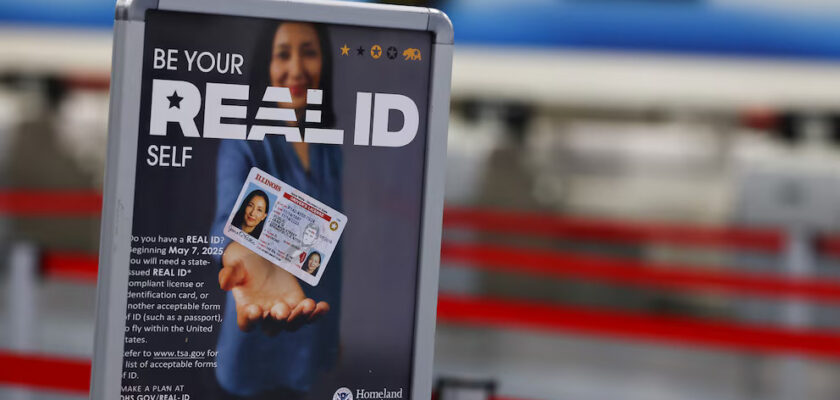
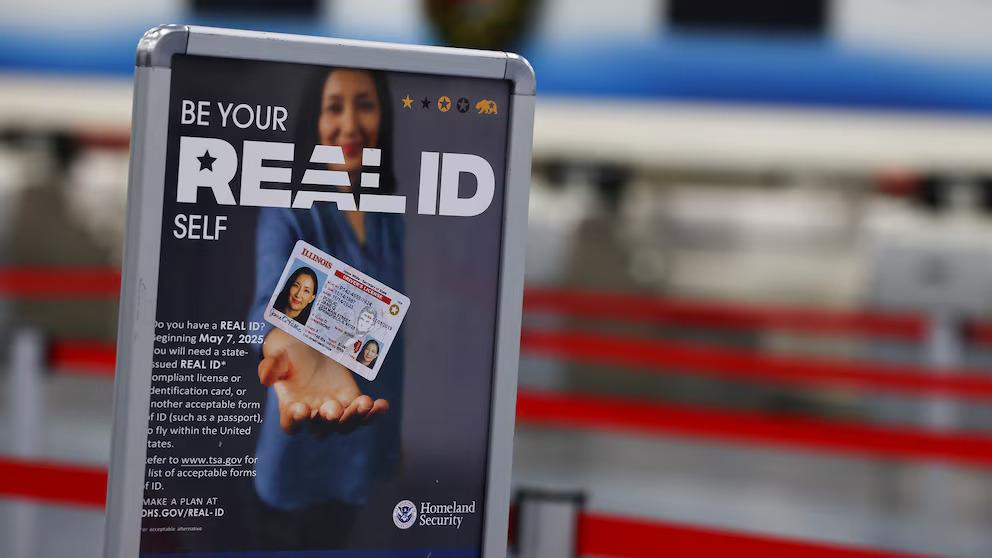
If you fly within the U.S., a long-delayed rule is finally about to hit hard—and millions of travelers may be caught off guard.
Beginning this year, federal officials will fully enforce the REAL ID requirement at airport security checkpoints. That means many standard driver’s licenses will no longer be accepted for domestic flights. If your ID doesn’t meet the new standard, you could be denied entry at the airport—even if you already bought your ticket.
Here’s what’s changing, why it matters now, and what you should do immediately to avoid travel chaos.
What Is REAL ID—and Why Is It Being Enforced Now?
REAL ID is a federal security standard created after 9/11 to make state-issued IDs harder to fake and easier to verify nationwide.
The rule applies to:
- Domestic flights
- Entering federal buildings
- Accessing military bases
While the law has existed for years, enforcement was delayed multiple times due to state backlogs and the pandemic. Now, the federal government says the grace period is over.
The enforcement is being handled by the Transportation Security Administration, under rules set by the Department of Homeland Security.
How to Tell If Your ID Is REAL ID–Compliant
Look at your driver’s license or state ID card.
If you see:
- A ⭐ star (usually gold or black)
- Or a symbol with a star inside a circle
…it’s likely REAL ID–compliant.
If you do not see a star or compliance mark, your ID may be rejected at airport checkpoints.
Some states issue multiple versions of IDs, so even recently renewed licenses may still be non-compliant.
What Happens If You Show Up Without a REAL ID?
This is where things get serious.
If you arrive at the airport without a compliant ID:
- You may not be allowed through security
- TSA officers can deny access to the checkpoint
- You could miss your flight entirely
In limited cases, travelers may be subject to additional screening, but officials are warning that this should not be relied upon.
Airlines are not responsible for ID issues—and they generally will not refund missed flights caused by non-compliant identification.
Can You Use Something Else Instead?
Yes—but options are limited.
Accepted alternatives include:
- A valid U.S. passport or passport card
- Military ID
- Certain DHS-approved federal IDs
However, many Americans do not carry passports for domestic travel, which is why this rule is expected to disrupt millions of travelers.
Why This Rule Is Creating Legal and Consumer Concerns
Legal advocates are already raising issues around:
- Inconsistent state compliance rollout
- Long DMV appointment delays
- Confusion over acceptable documents
- Disparate impact on elderly and low-income travelers
Missed flights can trigger secondary legal issues, including:
- Lost wages
- Non-refundable travel expenses
- Contract disputes with airlines or tour operators
In some cases, travelers may have legal remedies depending on how the denial occurred and what information was provided at booking.
What You Should Do Right Now
If you plan to fly—even once—this year, take action immediately:
- Check your ID today
- Visit your state DMV website
- Schedule a REAL ID appointment ASAP
- Bring required documents (usually proof of identity, Social Security number, and residency)
DMV wait times are already increasing as enforcement ramps up.
Why This Matters More Than Ever
This isn’t a future problem. It’s a now problem.
Once enforcement is fully active, airport agents won’t have discretion to bend the rules. Travelers who ignore this update risk being turned away at security with no warning and no recourse at the gate.
For frequent flyers, families, and business travelers, this small star on your ID can be the difference between boarding your flight—or being stuck at the airport.
If you’re affected by this change, speaking with a qualified lawyer can help.

