

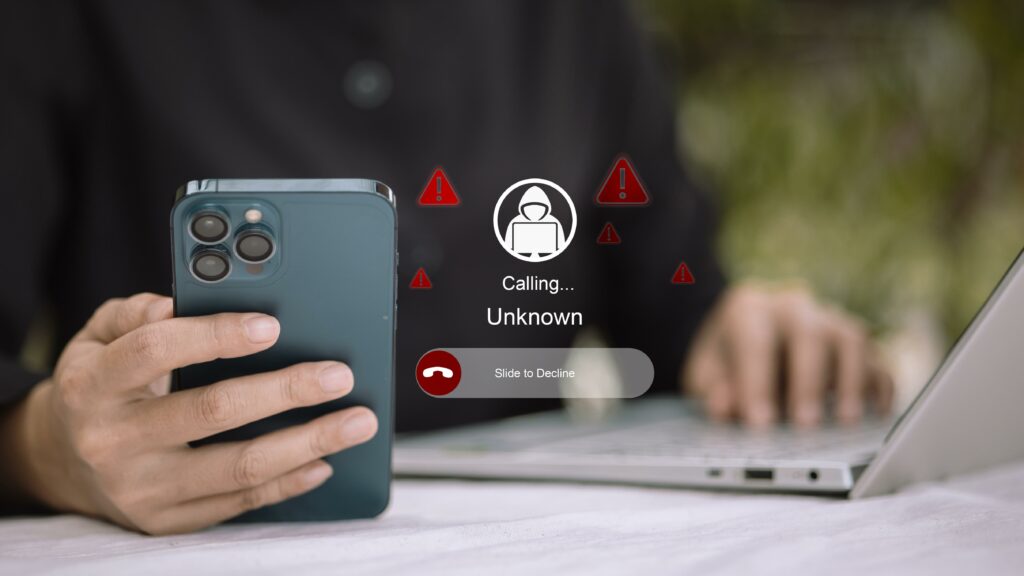
Americans are getting fewer spam calls than a few years ago—but the ones that do get through are getting smarter, more personal, and harder to detect. That’s why new federal action targeting AI-powered robocalls is drawing attention from consumers, regulators, and businesses alike.
In late 2025, federal regulators finalized new enforcement standards aimed squarely at artificial-intelligence robocalls—calls that can mimic human voices, spoof numbers, and even respond in real time. These updates are now shaping how spam calls will be investigated and punished in 2026.
Here’s what changed, why it matters, and what everyday people should know.
Why AI Robocalls Are Different — and More Dangerous
Traditional robocalls were easy to spot: awkward pauses, obvious recordings, and generic scripts. AI has changed the game.
Newer robocalls can:
- Clone realistic human voices
- Personalize scripts using leaked data
- Adjust responses mid-call
- Imitate banks, government agencies, or even family members
Regulators say these calls are being used for financial scams, identity theft, and election misinformation—making them a higher-risk threat than older robocall tactics.
What the New Rules Actually Do
Federal agencies already banned most robocalls years ago. The problem wasn’t legality—it was enforcement. The new rules focus on speed, liability, and proof.
Key changes include:
Clear liability for AI-generated calls
Using AI to impersonate a real person or institution now triggers faster enforcement action, even without prior consumer complaints.
Expanded responsibility for call “middlemen”
Not just scammers, but also platforms, voice providers, and lead generators can face penalties if they knowingly allow AI robocalls.
Lower burden of proof for regulators
Agencies can rely on call patterns, voice analysis, and metadata—rather than needing individual victims to come forward.
Higher fines for repeat violations
Penalties can stack quickly, reaching millions of dollars for large-scale operations.
Who’s Enforcing These Changes?
The crackdown is being led by the Federal Communications Commission, working alongside state attorneys general and consumer protection offices.
The Federal Trade Commission also plays a role when robocalls involve fraud, deceptive practices, or impersonation.
Together, these agencies say the goal is simple: make AI robocalls too risky and expensive to operate.
How This Affects Everyday People
For consumers, the changes won’t magically eliminate spam calls—but they should help in real ways:
- Faster shutdowns of scam operations
- Better coordination between phone carriers
- Improved call-blocking tools
- Stronger cases against repeat offenders
People who receive suspicious calls are still encouraged to report them, but regulators now have more tools to act even without mass complaints.
What Businesses Need to Watch Out For
Legitimate businesses that use automated calling—like appointment reminders or customer service bots—aren’t banned. But the rules raise compliance expectations.
Companies must:
- Clearly identify themselves on calls
- Avoid deceptive or misleading voice tech
- Get proper consent before using automation
- Monitor vendors and third-party dialers
Even well-meaning businesses could face penalties if their contractors misuse AI tools.
What to Do If You’re Targeted by an AI Robocall
If a call sounds realistic but feels “off,” experts recommend:
- Don’t provide personal or financial information
- Hang up and contact the institution directly using a known number
- Report the call through your carrier or consumer protection agency
Victims of financial loss or identity misuse may have additional legal options, especially if negligence or repeated violations are involved.
Why This Matters Going Into 2026
AI technology isn’t slowing down—and neither are scams. Regulators say these new rules are a foundation, not the final step.
More updates are expected as voice cloning and real-time AI tools become cheaper and more accessible. For now, enforcement agencies are signaling that AI robocalls are no longer a gray area—they’re a top priority.
If you’re affected by this change, speaking with a qualified lawyer can help.

