
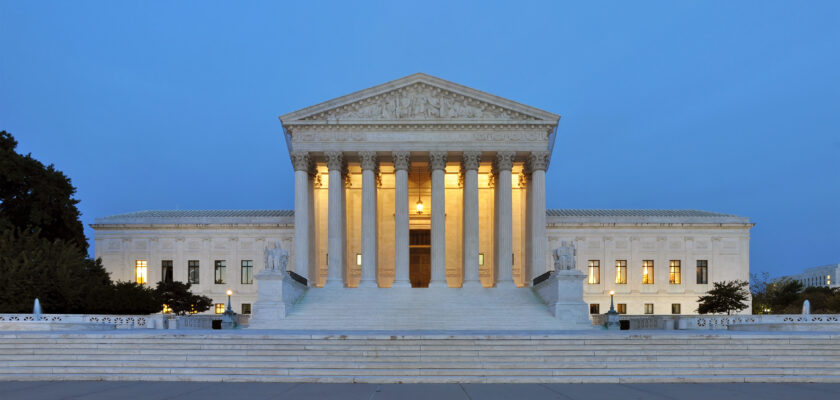
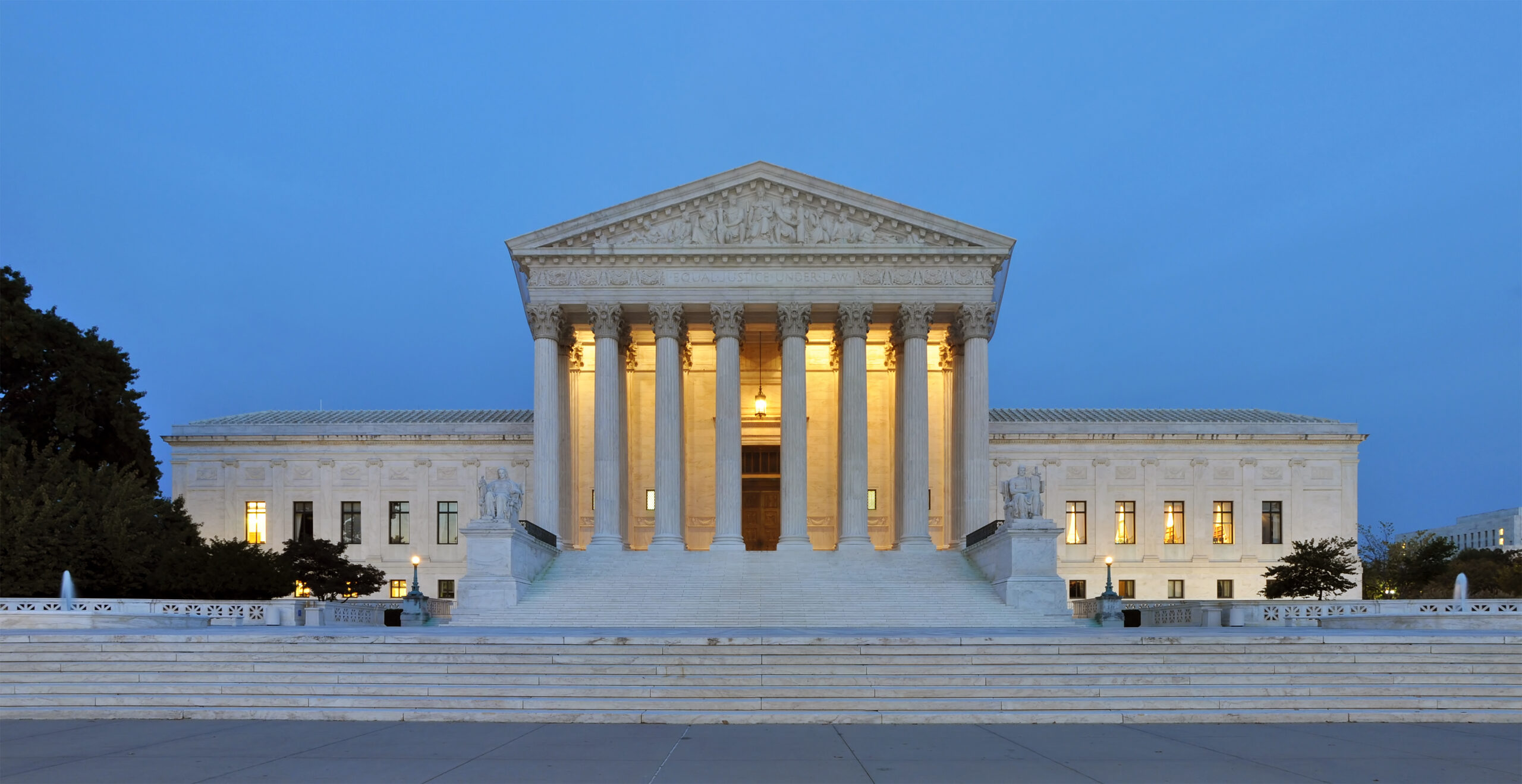
A major U.S. Supreme Court decision is quietly reshaping how federal laws are interpreted—and it could affect everything from workplace rules to consumer protections in the months ahead. While the ruling itself came down earlier, its real-world impact is only now starting to show, as agencies, courts, and businesses adjust to a new legal reality.
Here’s what changed, why it matters right now, and what everyday Americans should expect next.
What the Supreme Court Just Changed—In Plain English
For decades, federal agencies like the EPA, Labor Department, and FTC had broad power to interpret unclear laws passed by Congress. Courts usually deferred to those agencies’ interpretations.
That deference is now gone.
In a landmark decision, the Supreme Court of the United States ruled that judges—not federal agencies—have the final say when laws are vague or open to interpretation.
This may sound technical, but it fundamentally alters how rules are made, challenged, and enforced across the country.
Why This Matters Now (Not Just in Theory)
This isn’t just a legal shift—it’s already changing how cases are argued and how regulations are enforced.
Here’s why 2026 is a turning point:
- New lawsuits are flooding courts challenging federal rules
- Judges are reinterpreting old regulations under the new standard
- Agencies are pausing, rewriting, or defending rules that once seemed settled
In short: laws that felt “set in stone” may suddenly be up for debate.
What Could Be Affected?
This ruling reaches far beyond Washington. Some of the biggest areas likely to feel the impact include:
Employment & Labor Rules
Overtime pay thresholds, worker classification, and independent contractor rules could now be challenged more easily in court.
Consumer Protection
Regulations involving fees, disclosures, and financial protections may face new legal scrutiny.
Environmental & Health Regulations
Rules on pollution, workplace safety, and public health standards may be reinterpreted—or overturned—by judges.
Small Businesses
Companies may face less regulatory certainty, but also new compliance risks depending on how courts rule.
Why Courts Now Have More Power Than Agencies
Before this ruling, if Congress passed a vague law, agencies filled in the details. Courts typically accepted those interpretations as long as they were “reasonable.”
Now, judges must independently decide what the law means—even if agencies disagree.
That means:
- Different courts could reach different conclusions
- Rules may vary by region
- Legal challenges could increase dramatically
What This Means for Everyday Americans
For individuals, the effects may show up gradually—but they are real.
- Employees may see workplace rules change or be delayed
- Consumers could see protections strengthened—or weakened—depending on court rulings
- Businesses may face more lawsuits but fewer automatic penalties
Most importantly, legal outcomes will depend more on litigation than regulation.
Why Lawyers Are Paying Close Attention
This shift puts a premium on legal strategy.
Cases that once ended at an agency level may now head straight to federal court. Lawyers representing workers, consumers, and businesses are already adjusting how they approach disputes.
Expect:
- More constitutional challenges
- Faster court involvement
- Increased importance of jurisdiction and venue
What Happens Next?
Congress could respond by writing more detailed laws—but that takes time and political agreement.
Until then:
- Courts will define how far this ruling goes
- Agencies will test new, narrower rules
- Legal uncertainty will remain part of the landscape
For now, the balance of power has shifted—and it’s the courts holding the scales.
Bottom Line
This Supreme Court ruling doesn’t grab headlines every day, but it may shape U.S. law for decades. Whether you’re an employee, business owner, or consumer, the rules governing daily life are entering a new era—one where judges, not agencies, make the final call.
If you’re affected by this change, speaking with a qualified lawyer can help.

