
A major shake-up in U.S. employment law is unfolding, and it could directly affect how — and where — millions of Americans work. The Federal Trade Commission’s long-anticipated ban on most noncompete agreements is moving through the courts, and recent developments are bringing the issue back into the spotlight.
Noncompete clauses, once considered routine fine print, have long restricted workers from joining competitors or starting similar businesses after leaving a job. Now, that practice may soon be on the way out.
Here’s what’s happening, why it matters right now, and what workers and businesses should know.
What Are Noncompete Agreements?
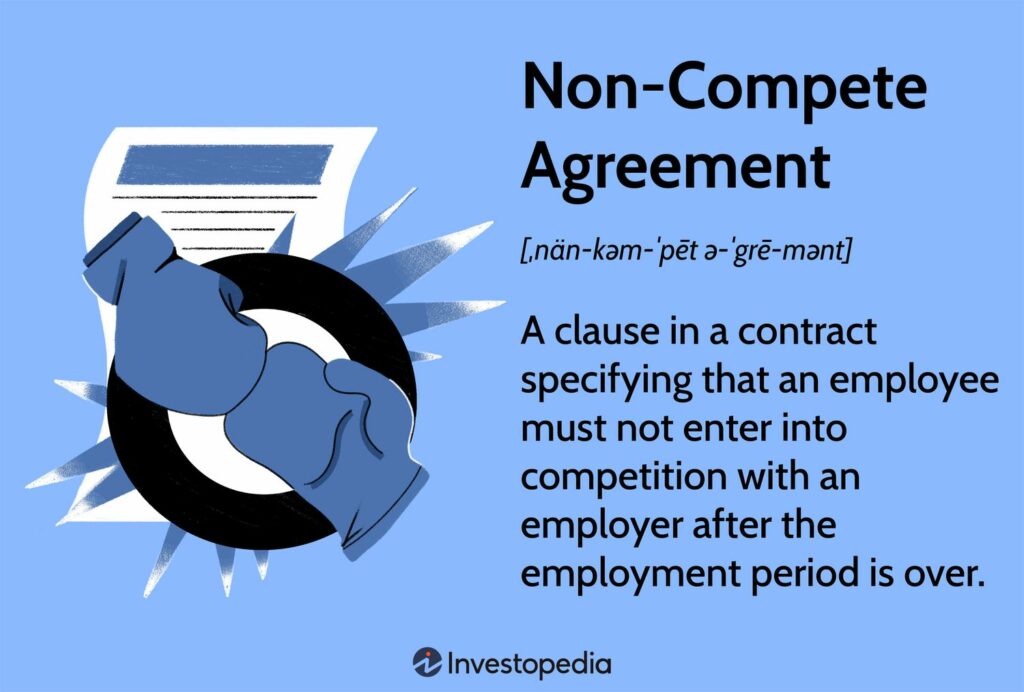
A noncompete agreement is a contract that prevents an employee from working for a competitor or launching a similar business for a certain period of time after leaving their job.
These clauses are common in industries like tech, healthcare, sales, and finance. In many cases, workers don’t realize they’ve signed one until they try to switch jobs — and suddenly face legal threats or blocked opportunities.
The FTC estimates that roughly 30 million U.S. workers are currently bound by noncompete clauses.
Why the FTC Stepped In
In 2024, the FTC finalized a rule banning most noncompete agreements nationwide. The agency argued that these clauses:
- Suppress wages
- Limit worker mobility
- Reduce competition and innovation
- Trap employees in jobs they want to leave
According to the FTC, eliminating noncompetes could increase U.S. wages by billions of dollars annually and create more opportunities for entrepreneurship.
Under the rule, employers would be required to stop enforcing existing noncompetes and notify workers that those restrictions no longer apply.
Why the Rule Isn’t Active Yet
Shortly after the FTC announced the ban, business groups filed lawsuits challenging the agency’s authority. Several federal courts have temporarily blocked enforcement while the legal fight continues.
At the center of the debate is a simple question: does the FTC have the power to ban noncompete agreements nationwide?
That question is now likely headed toward the Supreme Court, making this one of the most important employment law cases in years.
What Workers Should Know Right Now
Even though the rule is on hold, the momentum is shifting.
Some key takeaways for employees:
- Many employers are already revisiting or dropping noncompete clauses
- State laws still apply — some states already restrict or ban noncompetes
- Existing agreements may not be enforceable depending on location and job role
- Legal challenges to noncompetes are becoming more successful
If you’re stuck in a job because of a noncompete, this is a critical moment to understand your rights.
What This Means for Businesses
For employers, the potential ban is forcing major changes in how companies protect their interests.
Instead of noncompetes, businesses are turning to:
- Confidentiality agreements
- Non-solicitation clauses
- Trade secret protections
- Stronger internal retention strategies
Companies that rely heavily on noncompetes may need to rewrite contracts, update policies, and rethink how they compete for talent.
Why This Matters Beyond the Workplace
This isn’t just about jobs — it’s about economic mobility.
Supporters say banning noncompetes could:
- Help workers change careers more easily
- Encourage startups and small businesses
- Increase competition across industries
- Reduce income inequality
Opponents argue it could expose businesses to unfair competition and intellectual property risks. The courts will ultimately decide where the balance lies.
What Happens Next
Courts are expected to issue additional rulings in the coming months. If the FTC wins, the ban could take effect nationwide. If it loses, noncompete enforcement will remain largely in the hands of individual states.
Either way, the outcome will reshape how Americans work, negotiate pay, and build careers.
If you’re affected by this change, speaking with a qualified lawyer can help.

