
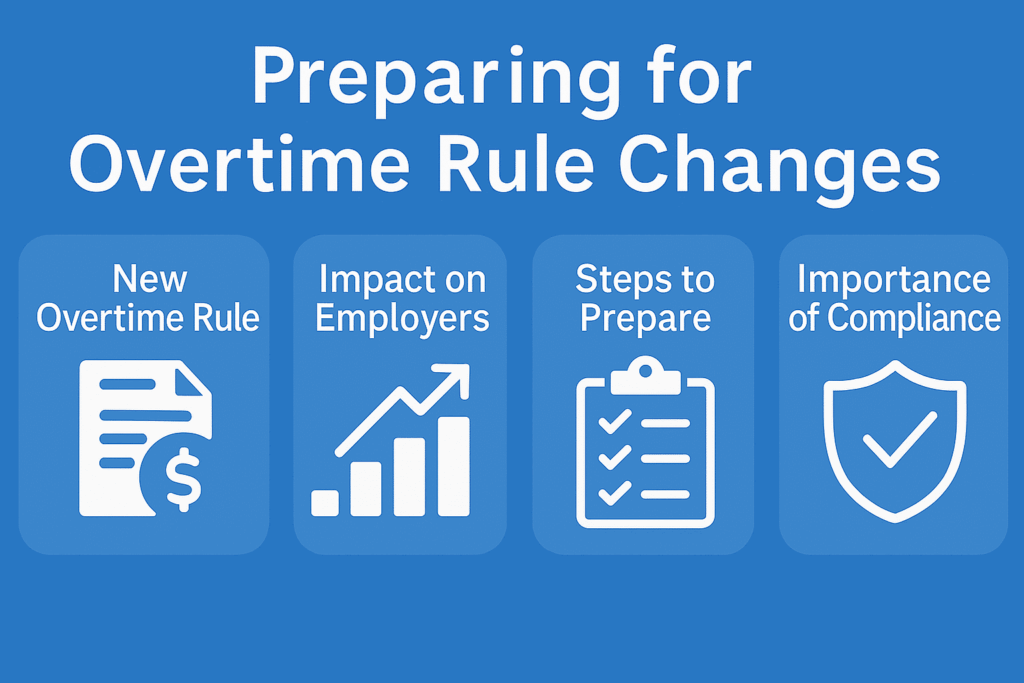
A major update to federal overtime rules could soon affect millions of workers across the United States. Regulators have finalized changes that increase the salary threshold required for employees to qualify as “exempt” from overtime pay, meaning many salaried workers who previously did not receive overtime may now become eligible.
The change is expected to impact businesses across multiple industries—from retail and hospitality to healthcare, marketing, and administrative roles—while also potentially boosting income for workers who regularly put in long hours.
Here’s what the new rule means and why it matters.
What the New Overtime Rule Changes
Under federal labor law, most employees must receive overtime pay—typically time-and-a-half—if they work more than 40 hours in a week.
However, some workers are considered “exempt,” meaning they are not entitled to overtime if they meet certain criteria.
These criteria include:
- Being paid a salary instead of hourly wages
- Performing certain executive, administrative, or professional duties
- Earning above a minimum salary threshold
The latest rule raises that salary threshold significantly.
Workers earning below the new threshold will automatically qualify for overtime pay, regardless of job title.
For many employees who are currently salaried managers or supervisors, this could mean they must either receive overtime pay for extra hours or have their salaries increased to remain exempt.
Why This Rule Is Being Updated Now
Labor officials say the previous salary threshold had not kept pace with rising wages and inflation.
Over time, more employees were classified as exempt even though their earnings were relatively modest.
Supporters of the rule argue that the update restores the original purpose of overtime protections—to prevent workers from being overworked without fair compensation.
They say it ensures employees who regularly work long hours are paid appropriately.
Who Could Be Affected
Millions of workers across the country may see changes because of the new rule.
Industries likely to be affected include:
- Retail and restaurant management
- Office administrators and coordinators
- Marketing and communications staff
- Healthcare supervisors
- Nonprofit program managers
- Customer service team leaders
Employees in these roles often earn salaries close to the previous exemption threshold.
If their pay falls below the new level, they may become eligible for overtime compensation.
What Employers May Do Next
Businesses have several options when responding to the new rule.
Some may raise salaries above the threshold so employees remain exempt from overtime requirements.
Others may reclassify employees as non-exempt and begin tracking hours worked.
In some cases, companies may restructure schedules to avoid employees exceeding 40 hours per week.
For employers with tight budgets, these adjustments could require careful planning and new payroll systems.
Potential Impact on Workers
For many employees, the rule could lead to higher pay.
Workers who frequently stay late, handle weekend responsibilities, or respond to work communications outside normal hours may now receive overtime compensation.
However, some workers may see their hours reduced if employers try to control overtime costs.
Others may be moved from salaried roles to hourly positions.
Even so, labor experts say the overall goal is to make compensation more transparent and fair.
Why Legal Questions May Arise
Changes to overtime rules often lead to legal disputes.
Employers and employees sometimes disagree about whether a worker qualifies as exempt or non-exempt.
Misclassification lawsuits are among the most common employment law cases in the United States.
If companies fail to follow the new requirements correctly, workers may have the right to seek back pay for unpaid overtime.
These disputes can involve large sums of money, especially when multiple employees are affected.
What Workers Should Watch For
Employees should pay attention to several key factors as the rule takes effect:
- Whether their salary falls below the new overtime threshold
- Changes in how their employer tracks work hours
- Adjustments to job duties or schedules
- Whether overtime pay is correctly calculated
Workers who believe they are being misclassified may want to review federal wage laws or seek professional guidance.
The Bigger Picture
The overtime rule update reflects a broader shift in how labor protections are being applied in the modern workforce.
Many policymakers argue that outdated rules no longer reflect today’s workplace realities, where technology often blurs the line between work hours and personal time.
As businesses adapt, the change could reshape how companies structure management roles and compensation.
For employees, it could mean greater protection against unpaid extra work.
If you’re affected by this change, speaking with a qualified lawyer can help.

