
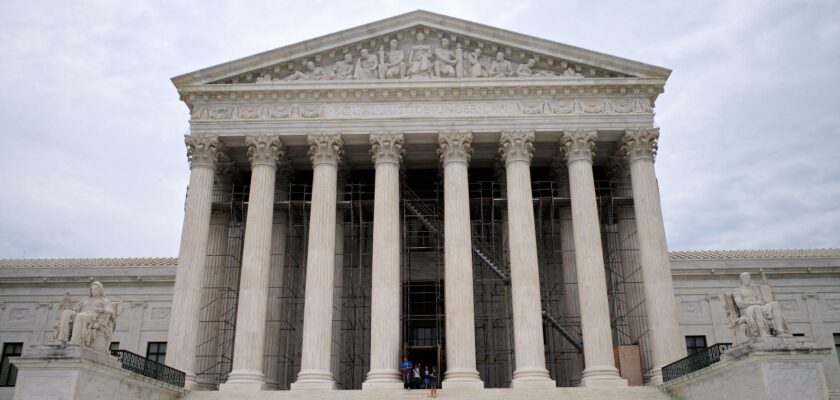
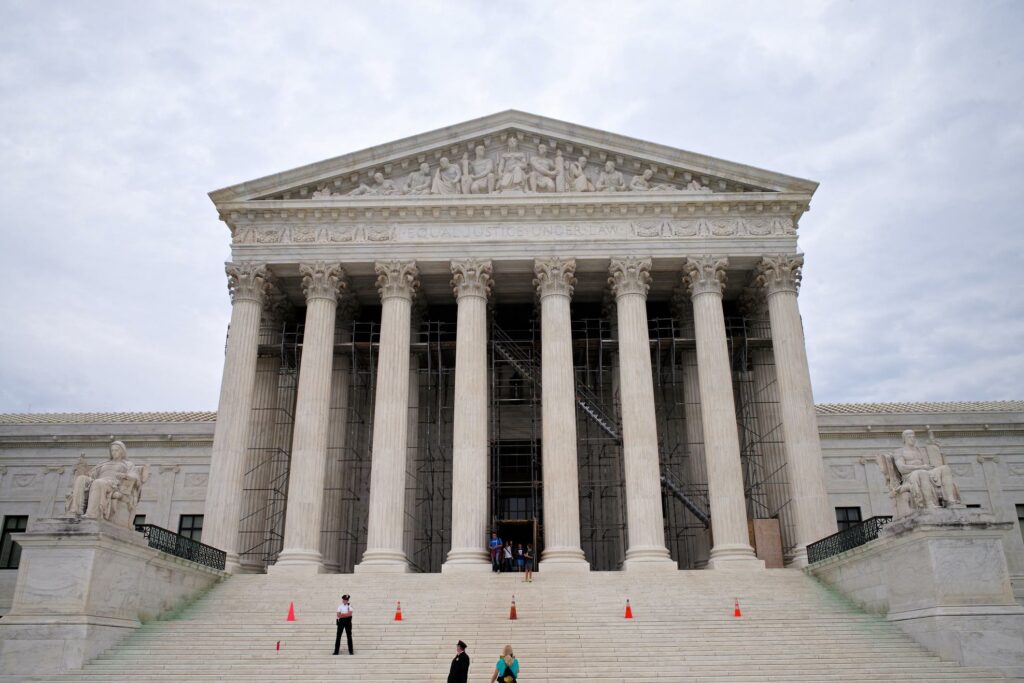
A new case now before the Supreme Court of the United States could significantly reshape what police officers are allowed to do during routine traffic stops. For millions of Americans who drive every day, the outcome may directly affect how long you can be detained, when your car can be searched, and what rights you have on the roadside.
The case centers on a common situation: a driver pulled over for a minor traffic violation. What happens next is where the legal fight begins.
At issue is whether officers can extend a traffic stop beyond the original reason for pulling someone over — even without clear evidence of a separate crime.
Why This Case Matters Now
Traffic stops are one of the most frequent interactions between police and the public. According to federal data, tens of millions of drivers are stopped every year.
Until now, courts have generally held that once the purpose of a traffic stop is completed — such as issuing a warning or ticket — the driver must be allowed to leave unless police have reasonable suspicion of another crime.
But in this new case, attorneys are arguing over what counts as “reasonable suspicion” and how long officers can question or investigate before letting someone go.
For everyday drivers, this could determine whether a stop lasts five minutes — or turns into a prolonged roadside investigation.
What the Legal Debate Is About
Under the Fourth Amendment, Americans are protected against unreasonable searches and seizures. That includes being detained without proper legal justification.
The key legal question before the Supreme Court is whether certain actions taken during traffic stops — such as calling for a K-9 unit, asking unrelated questions, or requesting consent to search — unlawfully extend the stop.
Police groups argue that officers need flexibility to ensure public safety. They say suspicious behavior during a stop can justify further investigation.
Civil liberties advocates counter that minor traffic violations should not become open-ended fishing expeditions.
If the Court sides with law enforcement, officers may have broader authority to expand stops. If it sides with the driver in the case, limits on prolonged questioning and roadside searches could become stricter nationwide.
How This Could Affect Drivers
If the ruling expands police authority:
- Officers may have more discretion to prolong traffic stops.
- Vehicle searches could become more common.
- Drivers may face longer roadside questioning even for minor violations.
If the ruling narrows police authority:
- Stops would likely need to end promptly once the original issue is resolved.
- Officers may need clearer evidence before expanding an investigation.
- Some evidence gathered during extended stops could be thrown out in court.
For people facing criminal charges stemming from traffic stops, the decision could impact whether certain evidence is admissible.
What “Consent” Means During a Stop
Another key issue in cases like this is consent.
Many drivers are unaware that they have the right to refuse consent to search their vehicle. However, consent must be voluntary. If courts determine that extended questioning creates pressure or confusion, future rulings could reshape how consent is evaluated.
Legal experts say the Court’s language in this decision may influence how lower courts interpret roadside interactions for years.
Broader Impact on Criminal Cases
This case does not only affect traffic tickets.
Many drug, firearm, and other criminal charges begin with routine traffic stops. A shift in Supreme Court standards could ripple across thousands of ongoing and future cases.
Defense attorneys are watching closely. Prosecutors are too.
If the Court tightens rules, some past convictions could even face new challenges, especially if evidence was obtained during prolonged stops.
When a Decision Is Expected
The Supreme Court typically issues major rulings before the end of its term in late June. A decision in this case is expected within the coming months.
Until then, current traffic stop standards remain in place. But drivers and law enforcement agencies alike are preparing for potential changes.
What You Should Know Right Now
While this case is still pending, basic rights during traffic stops remain the same:
- You must provide identification and vehicle documents when requested.
- You have the right to remain silent beyond identifying information.
- You generally have the right to refuse consent to a vehicle search.
- You are not required to answer unrelated investigative questions.
However, laws can vary slightly by state, and the specifics of each situation matter.
As the Supreme Court weighs its decision, the ruling could set a new nationwide standard that defines what is — and isn’t — allowed during a traffic stop.
For millions of Americans who drive daily, that standard could soon change.
If you’re affected by this change, speaking with a qualified lawyer can help.

