
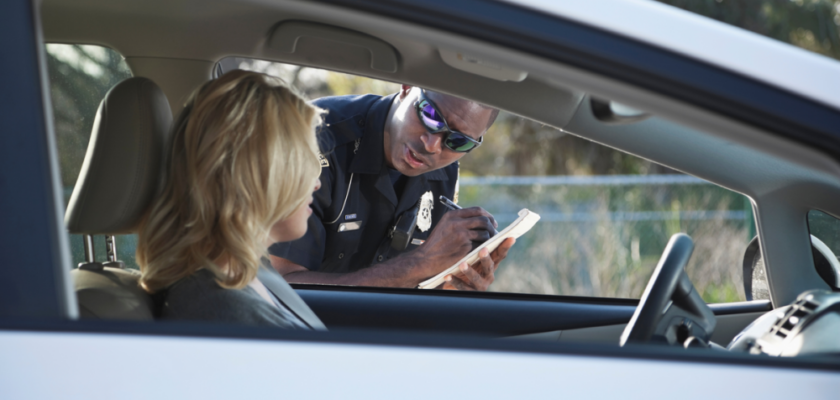
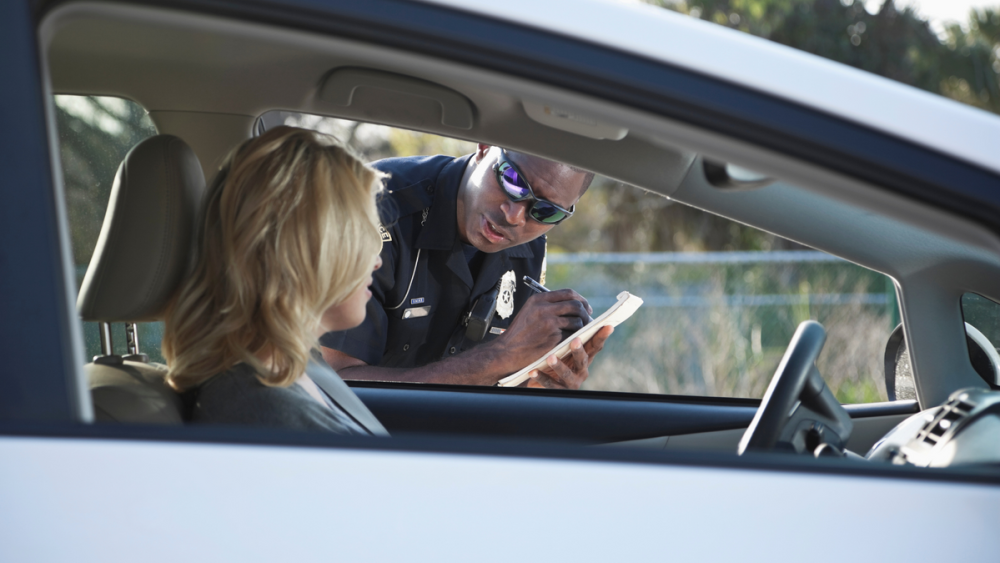
A new decision from the U.S. Supreme Court is changing how long police officers can hold drivers during routine traffic stops — and it could affect millions of Americans on the road.
The ruling, issued this week, makes clear that officers cannot extend a traffic stop longer than necessary just to look for unrelated crimes without specific, reasonable suspicion. For everyday drivers, that means stronger Fourth Amendment protections against prolonged roadside questioning and vehicle searches.
Here’s what happened — and why it matters now.
What the Case Was About
The case centered on a driver who was pulled over for a minor traffic violation. After handling the ticket-related tasks, the officer continued questioning the driver and delayed the stop to wait for a K-9 unit.
The key legal question: Can police extend a stop beyond its original purpose without clear evidence of additional wrongdoing?
The Supreme Court said no.
Building on earlier precedent, the justices ruled that once the “mission” of a traffic stop is completed — checking a license, verifying registration, issuing a citation — officers generally must let the driver go unless they develop reasonable suspicion of another crime.
Why This Matters to Everyday Drivers
Traffic stops are one of the most common interactions Americans have with law enforcement. According to federal data, millions of drivers are stopped each year for minor violations such as:
- Broken tail lights
- Expired registration
- Speeding
- Rolling stops
Under this ruling, officers cannot use those minor infractions as a blank check to begin unrelated investigations without justification.
If there’s no reasonable suspicion — meaning specific facts suggesting criminal activity — police may not prolong the stop just to fish for evidence.
That’s a significant clarification of drivers’ rights.
What Counts as “Reasonable Suspicion”?
The Court did not eliminate investigative authority altogether. Officers can still extend a stop if they observe behavior that reasonably suggests criminal activity.
Examples may include:
- Visible contraband
- Conflicting answers during questioning
- Smell of illegal substances
- Observable weapons
But vague “hunches” are not enough.
The ruling emphasizes that constitutional protections do not disappear during routine traffic enforcement.
How This Affects Vehicle Searches
The decision could also limit when police call in drug-sniffing dogs or conduct extended questioning unrelated to the traffic violation.
If the original purpose of the stop is complete, officers must either:
- Have reasonable suspicion, or
- Obtain voluntary consent from the driver
Drivers should know that consent must be freely given. If a person feels coerced or believes they cannot leave, courts may later question whether that consent was valid.
Impact on Criminal Cases Nationwide
Legal analysts expect defense attorneys across the country to use this ruling to challenge evidence obtained during extended traffic stops.
In cases where drugs, firearms, or other evidence were discovered after a delay that lacked reasonable suspicion, courts may suppress that evidence.
That could result in:
- Charges being reduced
- Cases being dismissed
- Plea agreements being reconsidered
This is especially important in states with high rates of traffic-based drug interdiction.
Civil Rights and Policing Implications
Civil rights groups have long argued that traffic stops are disproportionately used in minority communities as investigative tools beyond simple traffic enforcement.
By reinforcing time limits and suspicion standards, the Court’s decision may:
- Reduce prolonged roadside detentions
- Increase accountability
- Limit fishing expeditions
Law enforcement agencies may now update training policies to ensure officers document reasonable suspicion clearly before extending stops.
What Drivers Should Know During a Stop
If you are pulled over:
- You must provide license, registration, and proof of insurance.
- You are not required to answer unrelated questions.
- You may ask if you are free to leave once the citation process is complete.
However, remain calm and do not physically resist. Legal challenges happen later in court — not roadside.
Broader Legal Context
This ruling builds on prior Fourth Amendment decisions that emphasize limits on police authority during temporary detentions.
The Court has consistently stated that traffic stops are “seizures” under the Constitution. That means they must remain narrowly tailored to their purpose.
This latest opinion reinforces that principle in clear terms.
What Happens Next
Police departments across the country may revise their procedures in light of this decision.
Prosecutors will likely evaluate pending cases involving extended stops.
Defense lawyers will scrutinize body camera footage more closely to determine whether officers had proper legal grounds to continue detentions.
For drivers, the bottom line is simple: A routine traffic violation should not automatically open the door to an open-ended criminal investigation.
This ruling draws a clearer constitutional line.
As courts begin applying this decision nationwide, its full impact will unfold in real time.
If you believe you were subjected to an unlawfully prolonged traffic stop, speaking with a qualified lawyer can help.

