
A new federal court ruling is reshaping how overtime pay rules apply to salaried workers across the United States—and the impact could be felt in millions of households almost immediately.
The decision focuses on whether a recently proposed increase to the salary threshold for overtime eligibility can be enforced. For workers who routinely put in long hours without extra pay, and for employers trying to stay compliant, this ruling brings both relief and confusion.
Here’s what changed, why it matters, and what workers should watch next.
Why Overtime Rules Matter Right Now
Under federal law, most employees are entitled to overtime pay—typically time-and-a-half—when they work more than 40 hours per week. However, certain salaried workers are exempt if they earn above a specific salary threshold and meet job-duty requirements.
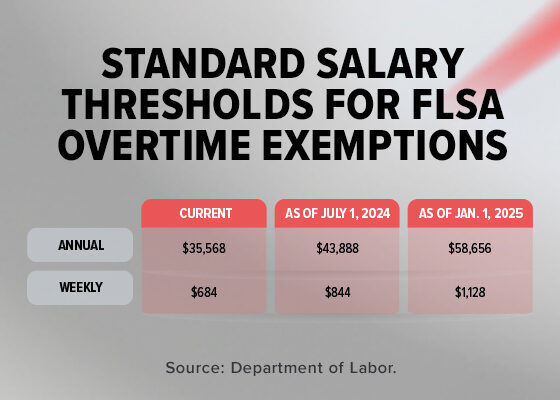
In recent years, the U.S. Department of Labor moved to raise that salary threshold significantly. The goal was simple: extend overtime protections to millions of middle-income workers who were working long hours without extra compensation.
But the courts had a different view.
What the Court Decided
A federal judge ruled that the Department of Labor overstepped its authority by raising the salary threshold too aggressively without sufficient congressional backing.
As a result:
- The new, higher overtime salary threshold is blocked—for now
- Employers are not required to immediately reclassify salaried employees as overtime-eligible
- Workers who expected raises or overtime pay may not receive them yet
This doesn’t permanently end overtime reform, but it does slow it down significantly.
Who Is Most Affected
This ruling mainly affects salaried employees earning in the lower-to-middle income range, including:
- Office managers and supervisors
- Retail and restaurant managers
- Administrative professionals
- Entry-level corporate employees
Many of these workers regularly work 45–60 hours per week but are classified as exempt from overtime pay.
For employers, especially small businesses, the ruling removes an immediate financial burden—but only temporarily.
What Happens Next
The federal government may appeal the ruling, or Congress could step in to clarify overtime authority through new legislation. Until then:
- Existing overtime thresholds remain in effect
- States with stronger overtime laws may still enforce higher standards
- Employers must continue following both federal and state rules
Workers should also know that job duties—not just salary—still matter. Misclassification lawsuits are already on the rise, especially in states with worker-friendly labor laws.
What Workers Can Do Now
If you’re working long hours without overtime pay, this ruling doesn’t mean you’re out of options.
You can:
- Review your job classification and duties
- Check whether your state has stricter overtime laws
- Keep records of hours worked
- Ask HR for clarification on exemption status
Even with the federal rule paused, employers can still be held liable for misclassification under existing law.
Why This Matters Beyond Paychecks
Overtime rules don’t just affect income—they affect work-life balance, burnout, and workplace fairness. Labor experts warn that without updated protections, more employers may rely on salaried exemptions to demand longer hours without additional compensation.
This ruling signals that future worker protections may face legal hurdles, even when public support is strong.
The Bottom Line
For now, the overtime expansion many workers were counting on is on hold. But the issue is far from settled. Legal challenges, appeals, and possible new legislation mean overtime rules could change again—possibly soon.
Staying informed is critical, especially for workers who feel they may be misclassified or underpaid.
If you’re affected by this change, speaking with a qualified lawyer can help.

