
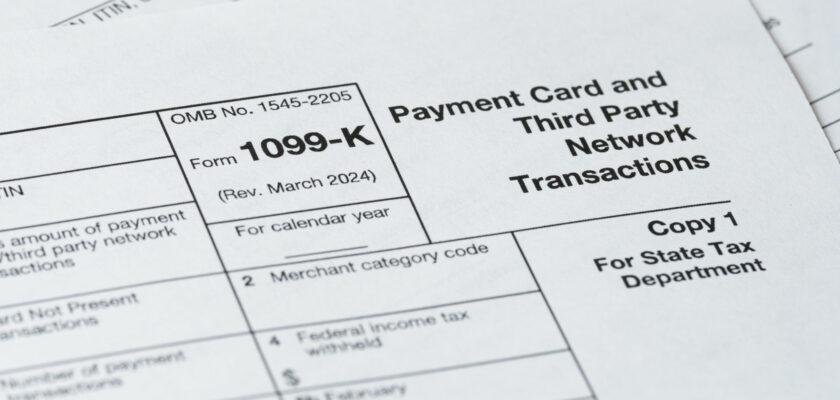
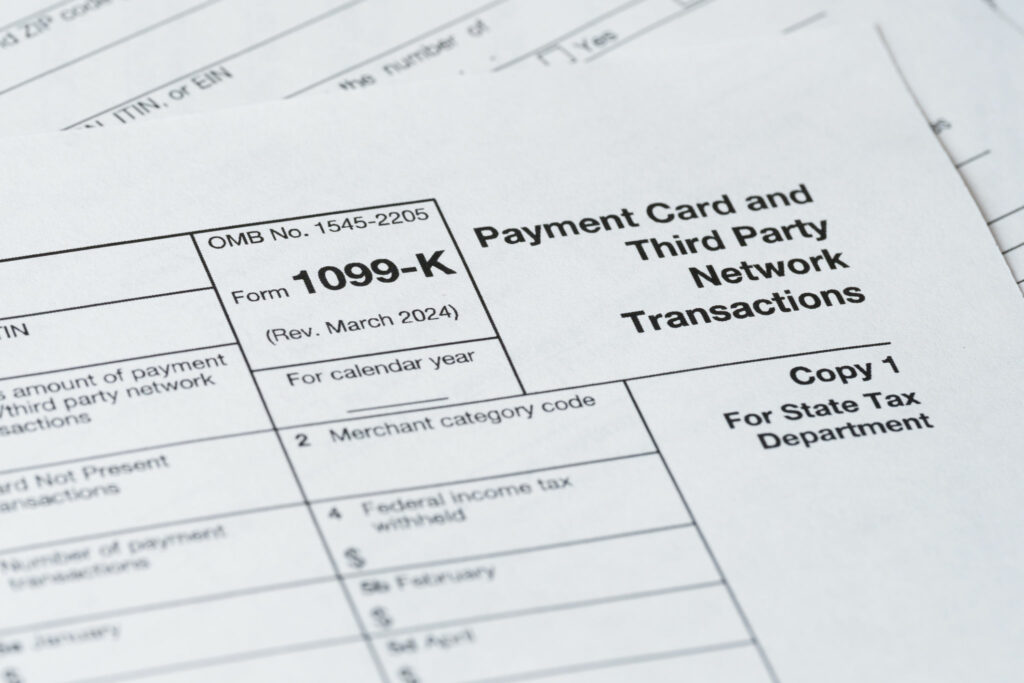
A major tax reporting change is quietly approaching — and it could affect anyone who earns money through a side hustle, freelance work, or online selling. The Internal Revenue Service has confirmed that lower reporting thresholds for online payments will fully take effect, meaning millions of Americans may receive tax forms they’ve never seen before.
If you’ve ever sold items online, accepted payments through apps, or earned extra income outside a traditional job, this update matters.
What Changed — and Why It Matters Now
For years, third-party payment platforms only had to report payments to the IRS if users crossed $20,000 and 200 transactions in a year. That gave casual sellers and part-time earners a lot of breathing room.
Starting with the 2026 filing season, that cushion disappears.
Under the new rule, payment platforms must issue Form 1099-K to users who receive more than $600 total in payments — with no minimum number of transactions.
That means:
- One large freelance payment could trigger reporting
- Occasional sellers may receive tax forms unexpectedly
- Payment apps will now share far more data with the IRS
The rule applies to income earned through platforms like PayPal, Venmo (business transactions), Stripe, Etsy, eBay, and similar services.
Who Is Most Affected
This change isn’t aimed only at full-time freelancers. It reaches much deeper into everyday life.
You’re likely affected if you:
- Freelance or consult on the side
- Sell products on Etsy, eBay, or Shopify
- Accept online payments for services
- Use payment apps for business or resale
- Drive for gig-economy platforms
Even people who consider their activity “casual” could now receive official tax paperwork.
What the IRS Is Trying to Do
According to the Internal Revenue Service, the goal is to reduce underreported income and create more consistent enforcement across the growing digital economy.
Officials say many people already owe taxes on this income — they just haven’t been reporting it. The new system shifts enforcement upstream, putting responsibility on payment processors rather than individuals.
The result? Less ambiguity, but more paperwork.
The Biggest Source of Confusion: Personal vs. Business Payments
One of the biggest problems with the new rule is misclassification.
Not all money you receive is taxable income. Examples include:
- Reimbursements from friends
- Selling personal items at a loss
- Splitting rent or utilities
But payment platforms don’t always know the difference.
That means you could receive a 1099-K that includes non-taxable transactions, forcing you to explain — and possibly prove — why that money shouldn’t be taxed.
Tax professionals warn this could lead to:
- Overreported income
- Higher audit risk
- Stress for unprepared filers
What Happens If You Ignore a 1099-K?
Ignoring the form is risky.
When a 1099-K is issued, the IRS assumes that income exists. If your tax return doesn’t reflect it, automated systems may flag the discrepancy.
That can lead to:
- IRS notices
- Penalties and interest
- Delayed refunds
- Costly disputes later
Even if the income isn’t taxable, it still needs to be addressed properly.
What You Should Do Right Now
You don’t need to panic — but preparation is key.
Smart steps to take:
- Separate personal and business payments
- Keep clear records of income vs. reimbursements
- Save receipts and transaction notes
- Review payment platform settings
- Consider quarterly estimated tax payments
For frequent sellers or freelancers, forming an LLC or working with a tax professional may help simplify reporting and reduce risk.
Why This Could Lead to Legal Trouble for Some
As reporting expands, disputes are expected to rise — especially around misreported income, penalties, and audits.
Tax attorneys are already seeing increased interest from:
- Gig workers disputing IRS notices
- Sellers accused of underreporting
- Small businesses facing unexpected tax bills
This rule may be “just reporting,” but the consequences can quickly become legal.
The Bigger Picture
This change reflects a broader trend: the government is closing gaps in the digital economy.
From payment apps to online marketplaces, transparency is increasing — and so is enforcement. What once felt informal is now firmly inside the tax system.
For many Americans, 2026 may be the first year side income feels truly official.
If you’re affected by this change, speaking with a qualified lawyer can help.

